
Metal Polishing Services in Melbourne
Metal parts often require more than just cutting, bending, or welding. The surface finish is also important. Our metal polishing services in Melbourne eliminate scratches, oxidation, and fabrication marks, keeping metal components clean, enhancing performance, and increasing longevity.
At Swift Metal Fabrication, metal polishing is part of the final stage that refines fabricated parts and restores worn metal surfaces. Our Melbourne workshop works with stainless steel, aluminium, and fabricated steel components used across construction, manufacturing, automotive projects, and commercial fit-outs.
With 55 years of combined fabrication experience, our team understands how surface finishing influences both the appearance and durability of metal. The outcome is straightforward: metal components that look professional, function correctly, and are ready for installation, coating, or final assembly.
When Metal Polishing Is Needed in Melbourne
Many metal components arrive at the polishing stage after fabrication or restoration work.
Metal polishing is typically used to:
- remove clashes, grinding marks, or weld discolouration
- restore dull or oxidised metal surfaces
- smooth rough areas created during fabrication
- Prepare metal before powder coating or plating
- produce a clean finish for visible components
For architectural metalwork or stainless fixtures, polishing enhances visual appeal. For industrial parts, a smoother surface lessens the risk of corrosion and makes cleaning easier. In both cases, the finishing stage greatly influences how the final component performs over time.
Our Satisfied Customers
EXCELLENT Based on 7 reviews
 Posted on Google
 Leif MikkelsenReally good people to deal with, excellent service.Posted on Google
 Peter NiemandtAn absolute pleasure working with Ray! I brought an unusual project to him with a tight timeframe. Nothing was too much hassle. Not only did he deliver, but the result was just awesome! Highly recommend Swift!! Pete NiemandtPosted on Google
 simon floodVery knowledgeable and experienced with design assistance. I have had fabrications in steel, aluminium and stainless. Good with complex jobs, communications, on time and very good value for money.Posted on Google
 Steve RyanI have had Swift Metal produce some specialised crates for me and they have done a great job in designing and executing them. The finished items have proven to work well for me so a big thanks as Ray comes up with good ideas and delivers on time.Posted on Google
 Michael TerpeaWorking with Swift on a number of projects, and we've seen their quality, precision, and reliability are second to none. Ray and his team are highly skilled, easy to communicate with, and always delivers on time—even with tight deadlines and complex requirements. Their attention to detail and knowledge in custom fabrication work has made a real difference to our projects. Highly recommended if you’re after dependable service and outstanding craftsmanship.
Metals Commonly We Polished
Different metals react differently during the polishing process. Surface hardness, oxidation behaviour, and intended finish all influence how the work is carried out.
Stainless Steel Polishing
Stainless steel is widely used in Melbourne’s construction and commercial environments for its strength and corrosion resistance.
Common applications include:
• balustrades and handrails
• commercial kitchen equipment
• architectural fittings and panels
Aluminium Polishing
Polishing aluminium restores a smooth reflective finish and removes oxidation layers. It is often used for:
• automotive restoration components
• custom-fabricated aluminium parts
• decorative metal panels
• marine or transport components
Mild Steel and Metal Parts
Mild steel components are often polished before finishing treatments.
Typical examples include:
- structural brackets and supports
- machine components
Surface polishing prepares the metal for the next stage and improves coating adhesion.
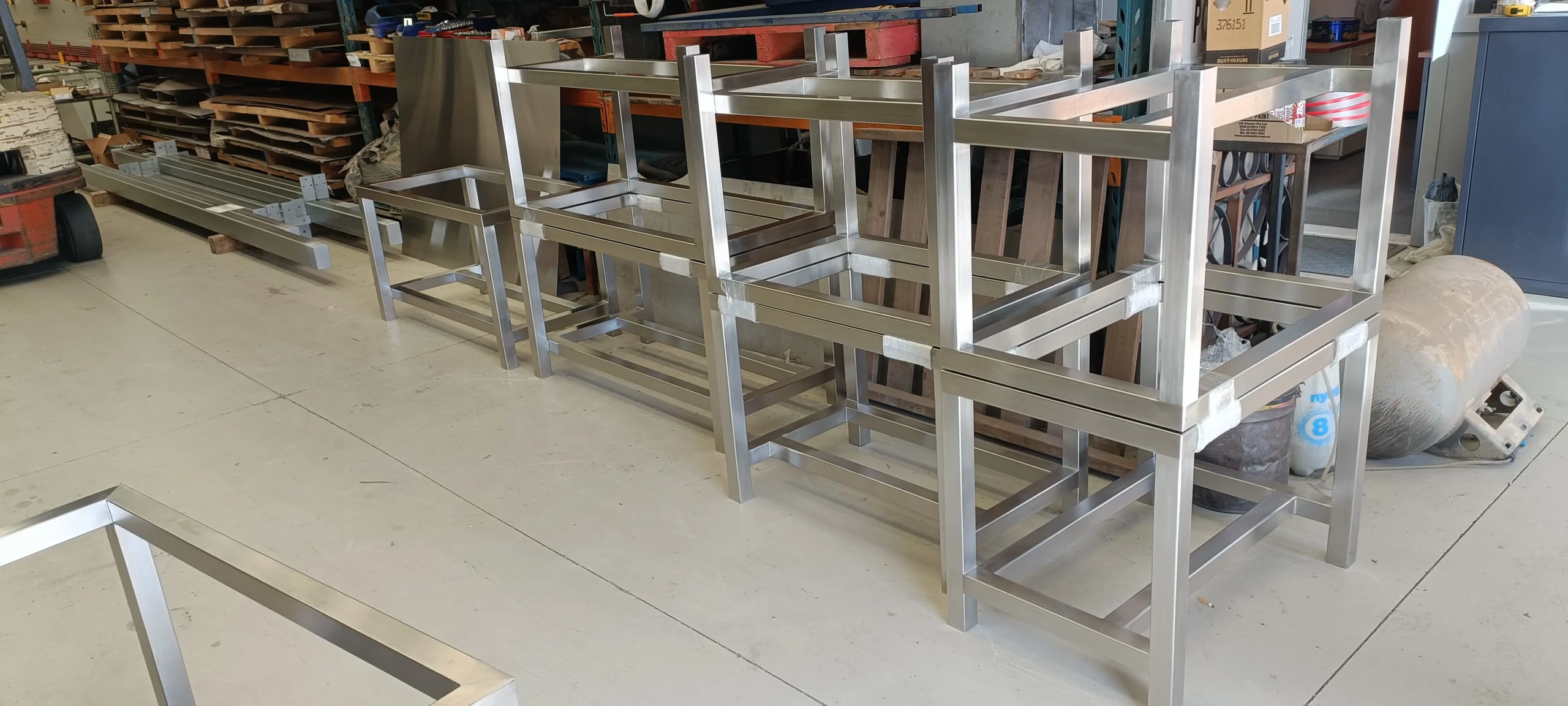
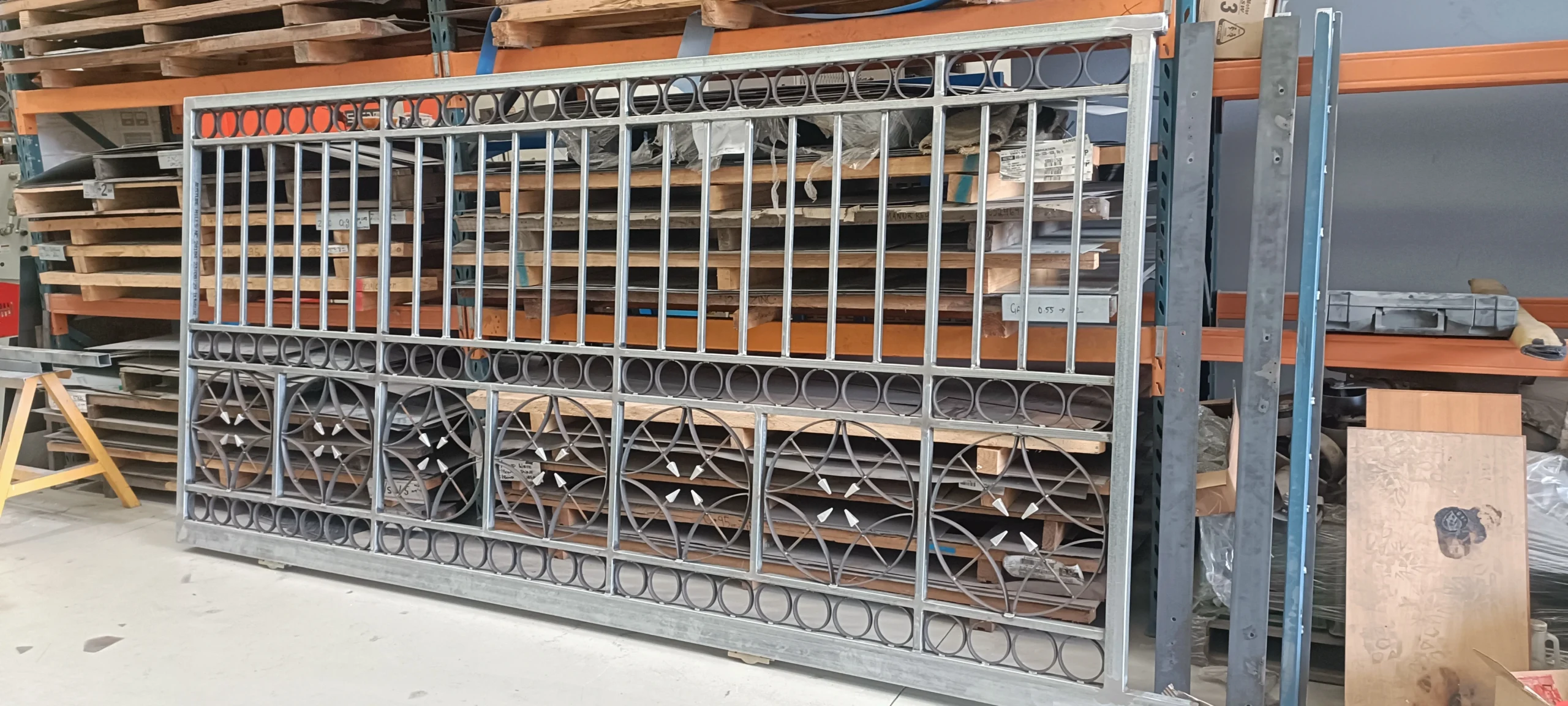
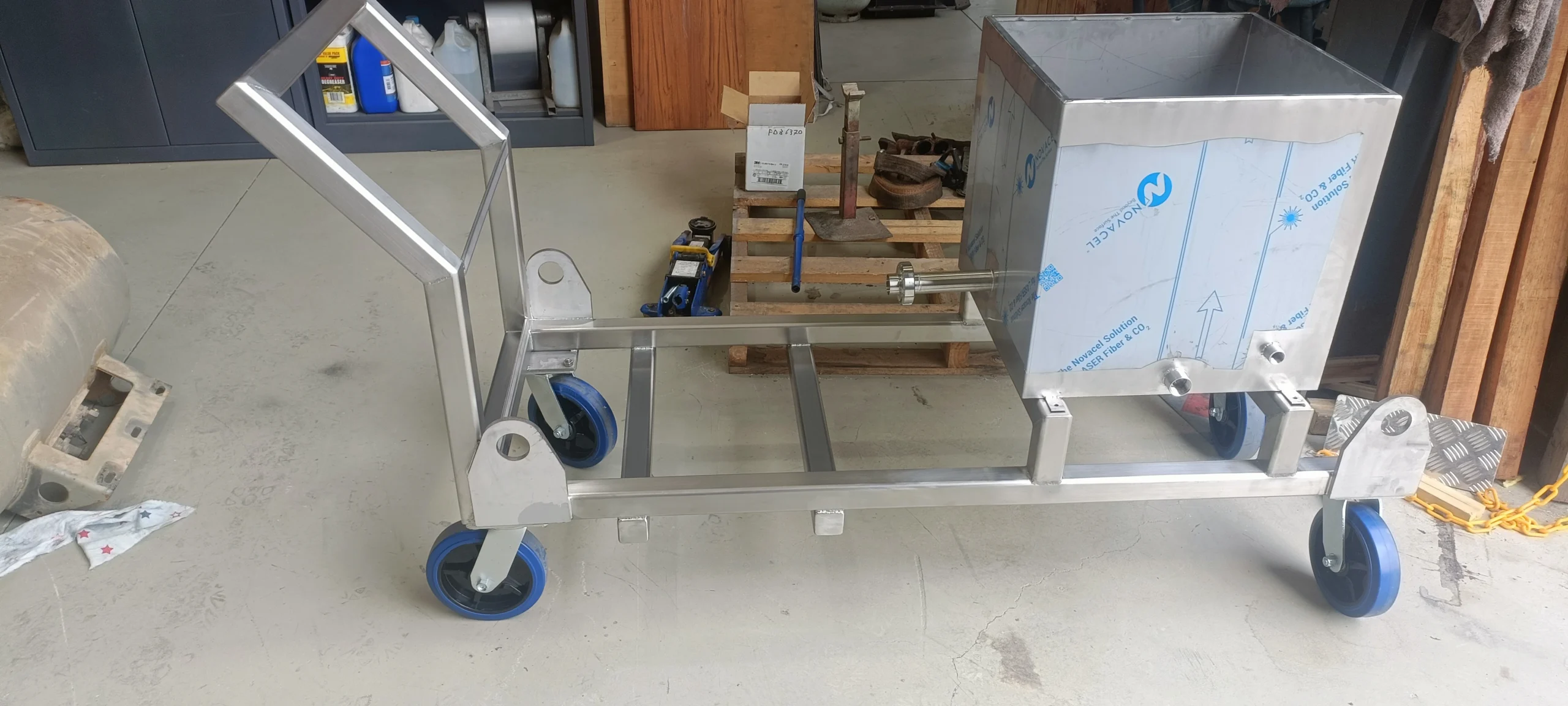
Our Metal Polishing Work Melbourne
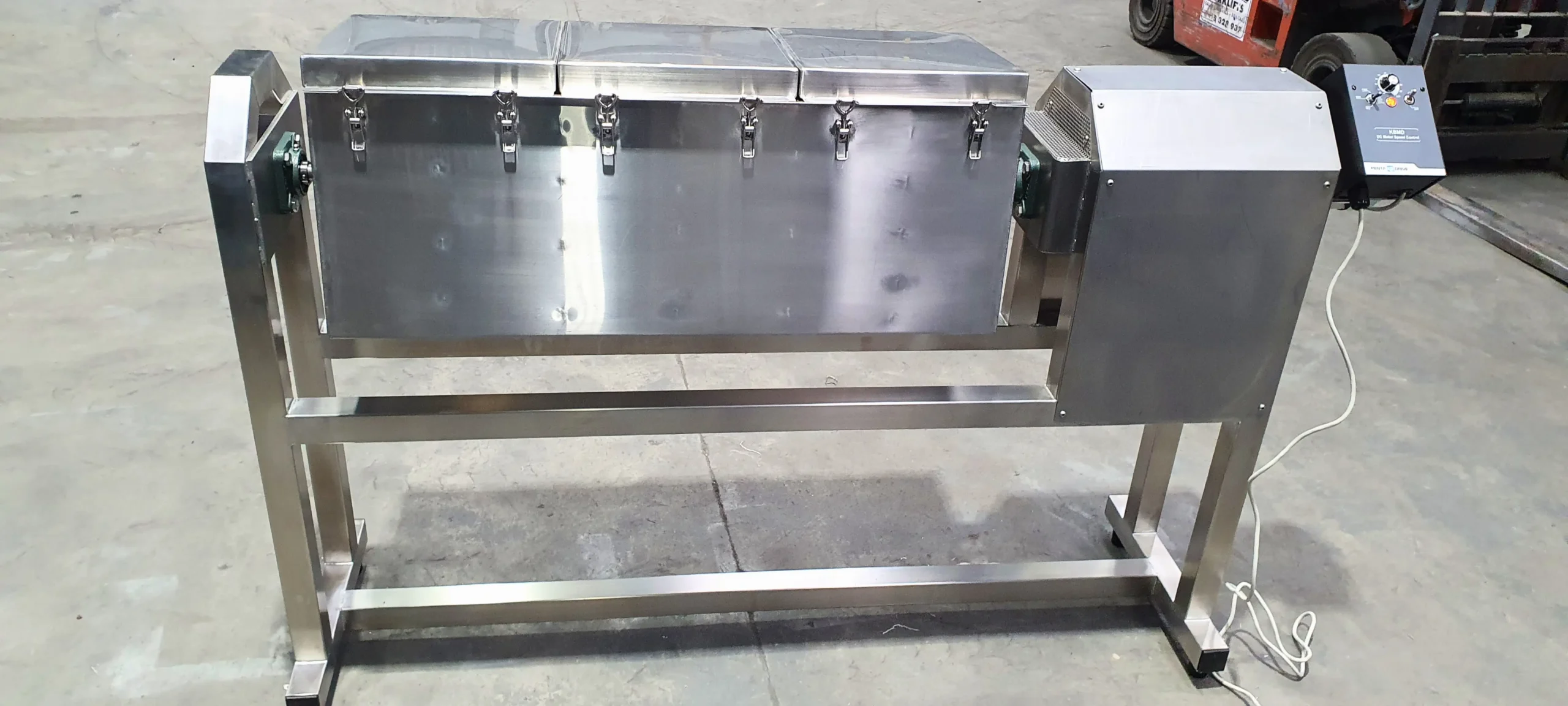
Why Choose US for Metal Polishing Services in Melbourne
Choosing the right metal finishing provider can significantly impact the outcome. At Swift Metal Fabrication, polishing is integrated into the entire fabrication process, not merely a cosmetic step.
- 55 years of combined metal fabrication experience: This knowledge helps produce polished surfaces that look clean and perform well over time.
- Support for commercial and industrial projects: those who need metal components finished to a professional standard.
- Melbourne-based workshop: Located in Eumemmerring, our fabrication facility allows projects to move efficiently.
If you need reliable metal polishing services in Melbourne, we provide practical finishing solutions for fabricated metal components and industrial parts.
How Metal Polishing Is Performed
A professional polishing process involves multiple stages rather than a single step. Each stage progressively improves the surface, ensuring a smooth and consistent final finish.
Surface Evaluation
Every project starts with inspecting the metal component. The team determines the material type, surface condition, and required finish.
Surface Preparation
Before polishing begins, the surface is cleaned and degreased. This removes oil, dirt, and contaminants that could interfere with the finishing process. Properly preparing the metal also protects polishing tools and helps achieve more consistent results.
Progressive Polishing
Polishing is performed in stages using specialised abrasives and polishing compounds. Early-stage removal eliminates deeper marks or uneven areas. Later stages refine the surface and gradually achieve the final finish.
This method produces finishes ranging from brushed textures to high-reflective mirror surfaces.
Final Inspection
Once polishing is finished, the component is inspected to ensure the surface finish meets the required standard. Consistency, finish clarity, and surface smoothness are checked before the part proceeds to installation, coating, or delivery.
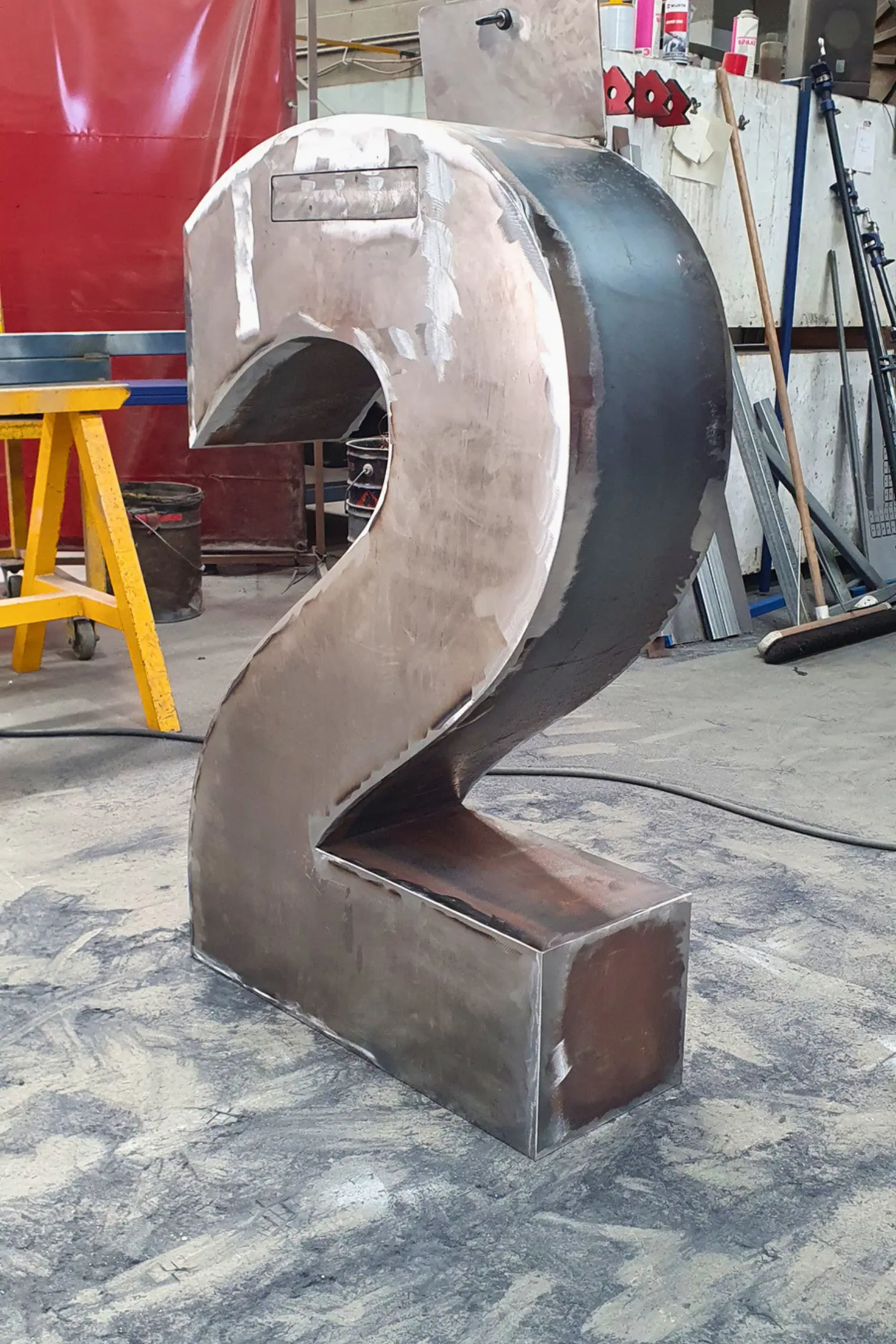
Metal Finish Options
Different projects need different surface finishes. The chosen finish depends on how the component will be used and the desired visual outcome.
Mirror Finish
A mirror finish produces a highly reflective surface. This finish is often used for decorative metalwork and display fixtures where visual impact is important.
Brushed Finish
A brushed finish features a uniform directional grain. It is commonly used in architectural metalwork, such as balustrades, handrails, and commercial interior fittings, because it conceals fingerprints and minor wear.
Satin Finish
Satin finishes offer a smooth, low-reflection surface. This finish is ideal for machinery components and industrial equipment that need a clean, professional look without harsh reflections.
Request a Quote for Metal Polishing in Melbourne
If your project requires metal polishing in Melbourne, we can refine and finish your components. Our team can review drawings, photos, or sample parts to identify the best finish for the job.
Work ranges from individual components to full production runs for fabrication projects. Contact Swift Metal Fabrication to discuss your metal polishing needs and get a customised quote for your project.
Frequently Asked Questions
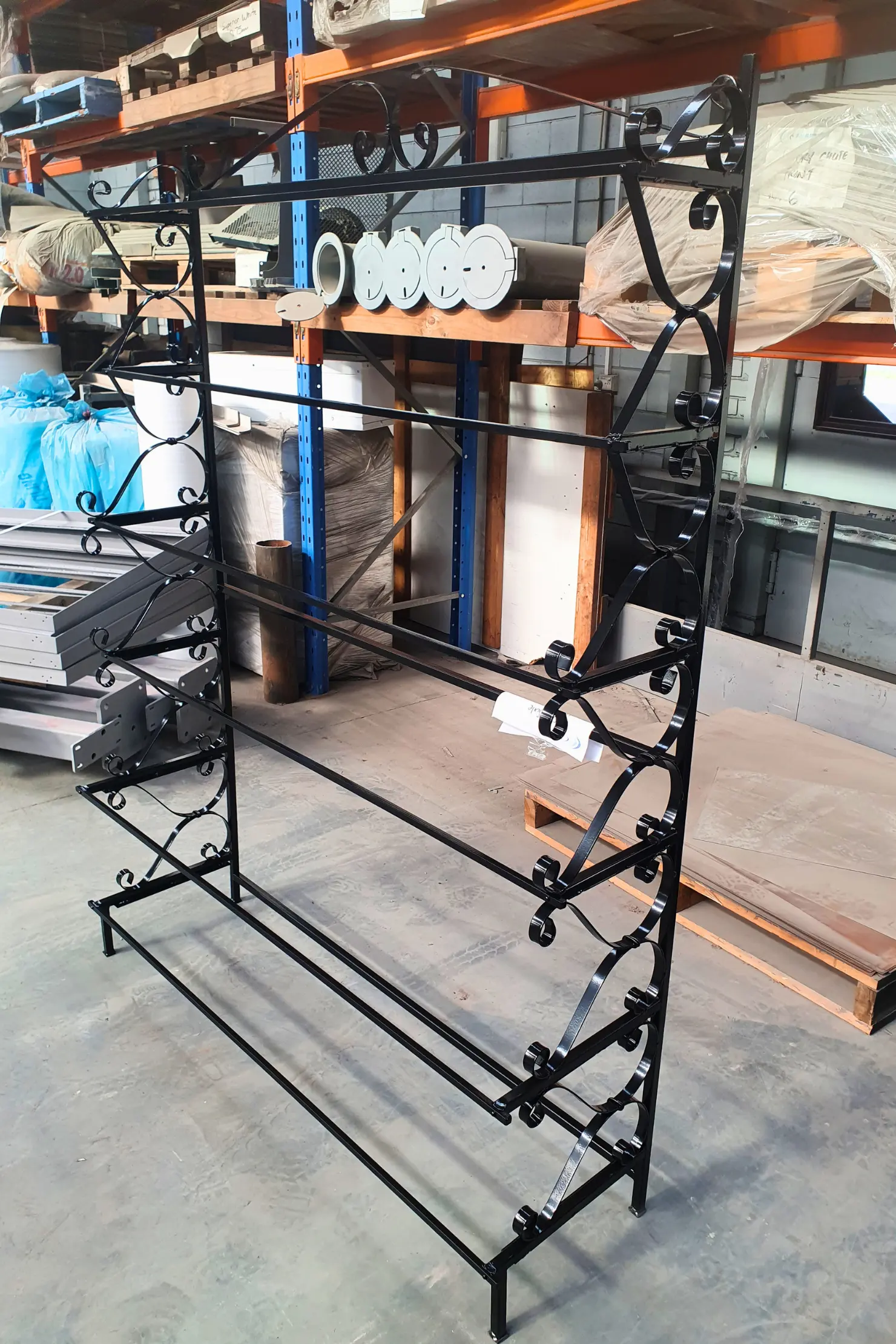
The most common fabrication metals can be polished, including stainless steel, aluminium, and mild steel. Each metal behaves differently during polishing, so the method and abrasives used are adjusted based on the material and required finish.
Yes, in many cases, the depth of the mark determines the amount of work required. Light surface marks are typically removed during polishing, whereas deeper scratches may require grinding before the final polishing stage.
Metal polishing can produce several finishes depending on the project.
Polishing is usually completed before powder coating or plating. The polishing process smooths the metal surface and removes imperfections so coatings adhere properly. Preparing the metal this way helps achieve a cleaner and longer-lasting finish.
Yes. Polishing is often used after fabrication. It helps refine the appearance of fabricated metal components and prepares them for final installation or coating.