
Laser Cutting Services in Melbourne for Precision Metal Fabrication
When a metal component fails to align on site or in the workshop, it causes delays, rework, and unnecessary costs. That’s why businesses choose laser cutting services in Melbourne that focus on accuracy from the outset. At Swift Metal Fabrication, we provide precision laser cutting for steel, stainless steel, and aluminium, producing clean, consistent parts that fit as intended.
With 55 years of combined industry experience, local manufacturing capability, and a practical understanding of how parts are fabricated and installed, our team supports engineers, builders, manufacturers, and contractors who need dependable results. If you’re looking for precision-cut steel parts made locally and delivered on time, contact us for a Quote.
Precision Laser Cutting Services in Melbourne
Laser cutting is about control. Heat, speed, and accuracy must work together so the final part installs smoothly and performs as expected. At Swift Metal Fabrication, our metal laser cutting services in Melbourne are designed for real-world applications. This means: tight tolerances that align during fabrication, clean edges with minimal burr, and consistent results across single parts or multiple runs.
We cut parts ready for folding, welding, or installation, eliminating the need for additional finishing work. If you already have drawings, we’ll work directly from them. If you’re still refining your design, we can help ensure it’s practical for laser cutting before the machine begins.
Our Satisfied Customer Reviews
EXCELLENT Based on 7 reviews
 Posted on Google
 Leif MikkelsenReally good people to deal with, excellent service.Posted on Google
 Peter NiemandtAn absolute pleasure working with Ray! I brought an unusual project to him with a tight timeframe. Nothing was too much hassle. Not only did he deliver, but the result was just awesome! Highly recommend Swift!! Pete NiemandtPosted on Google
 simon floodVery knowledgeable and experienced with design assistance. I have had fabrications in steel, aluminium and stainless. Good with complex jobs, communications, on time and very good value for money.Posted on Google
 Steve RyanI have had Swift Metal produce some specialised crates for me and they have done a great job in designing and executing them. The finished items have proven to work well for me so a big thanks as Ray comes up with good ideas and delivers on time.Posted on Google
 Michael TerpeaWorking with Swift on a number of projects, and we've seen their quality, precision, and reliability are second to none. Ray and his team are highly skilled, easy to communicate with, and always delivers on time—even with tight deadlines and complex requirements. Their attention to detail and knowledge in custom fabrication work has made a real difference to our projects. Highly recommended if you’re after dependable service and outstanding craftsmanship.
Types of Laser Cutting Work We Handle
Our laser cutting service supports a wide range of job sizes and industries.
One-Off Custom Parts
Many projects don’t need hundreds of parts. They need one piece that fits properly. This could be a replacement component, a custom bracket, or a unique architectural detail. Laser cutting allows us to produce accurate one-off parts without compromising quality.
Prototypes and Development Parts
Engineers and designers often need to test a concept before moving into production. We frequently produce prototype parts that help clients verify fit, strength, and appearance before proceeding.
Small to Medium Production Runs
For repeat parts, consistency matters. Laser cutting provides reliable results across batches, which helps reduce assembly issues and waste.
Trade and Commercial Components
Builders, signage companies, and manufacturers rely on laser-cut components for daily operations. Brackets, panels, plates, and custom shapes are all common requests.
Our Completed Laser Cutting Project In Melbourne
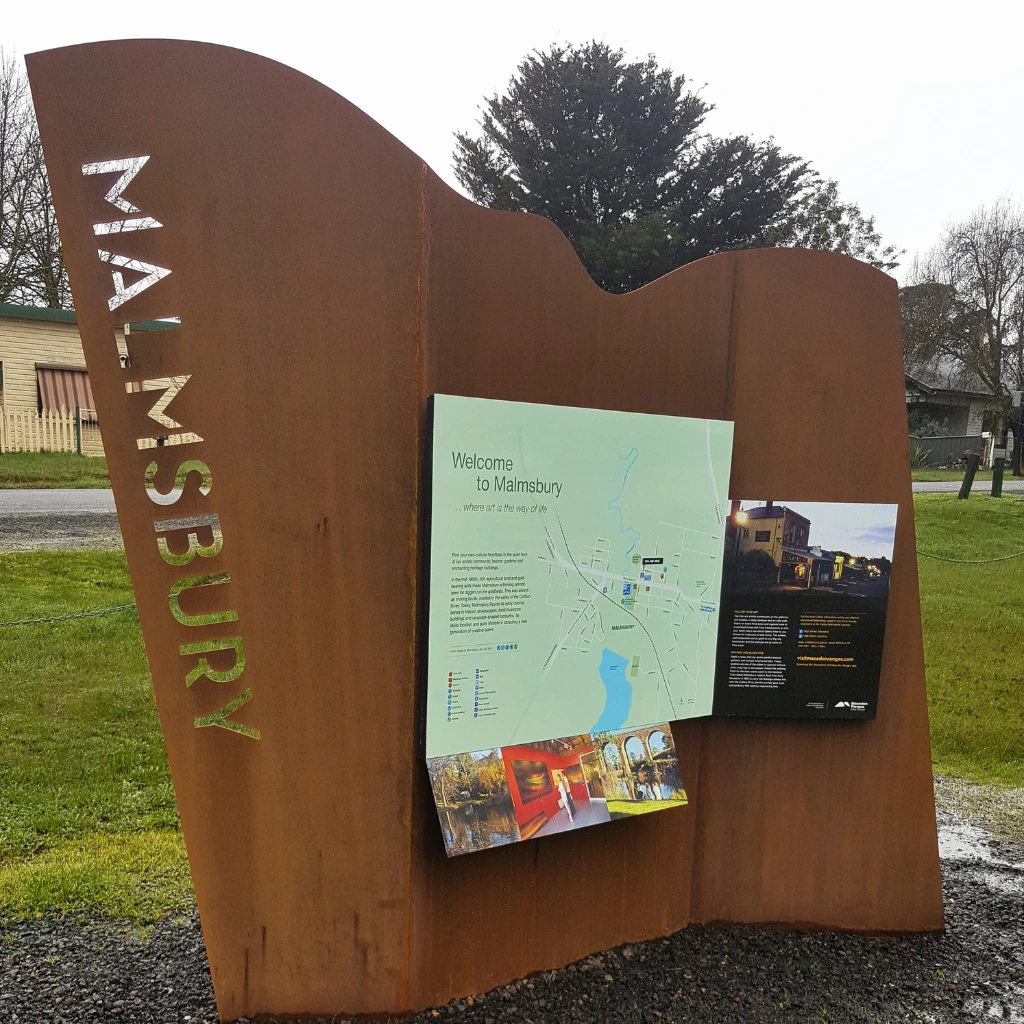
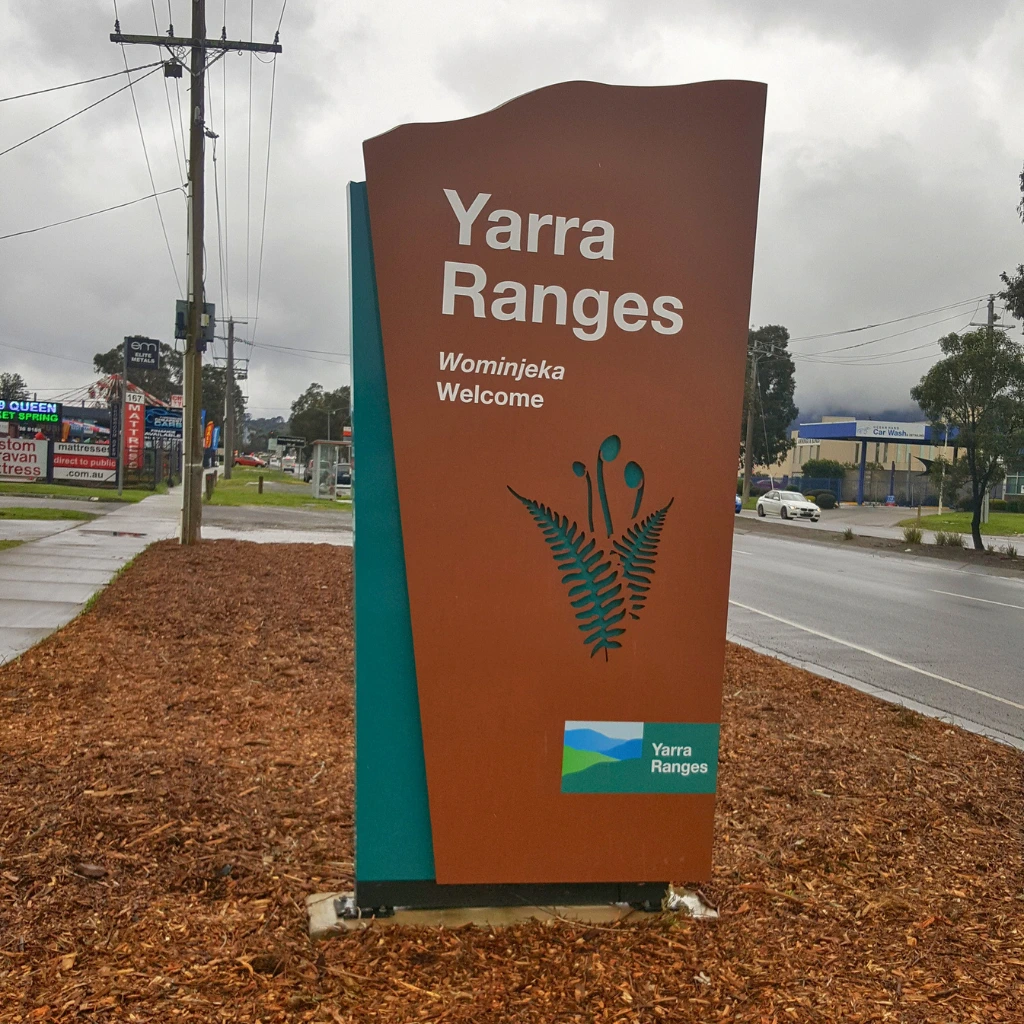
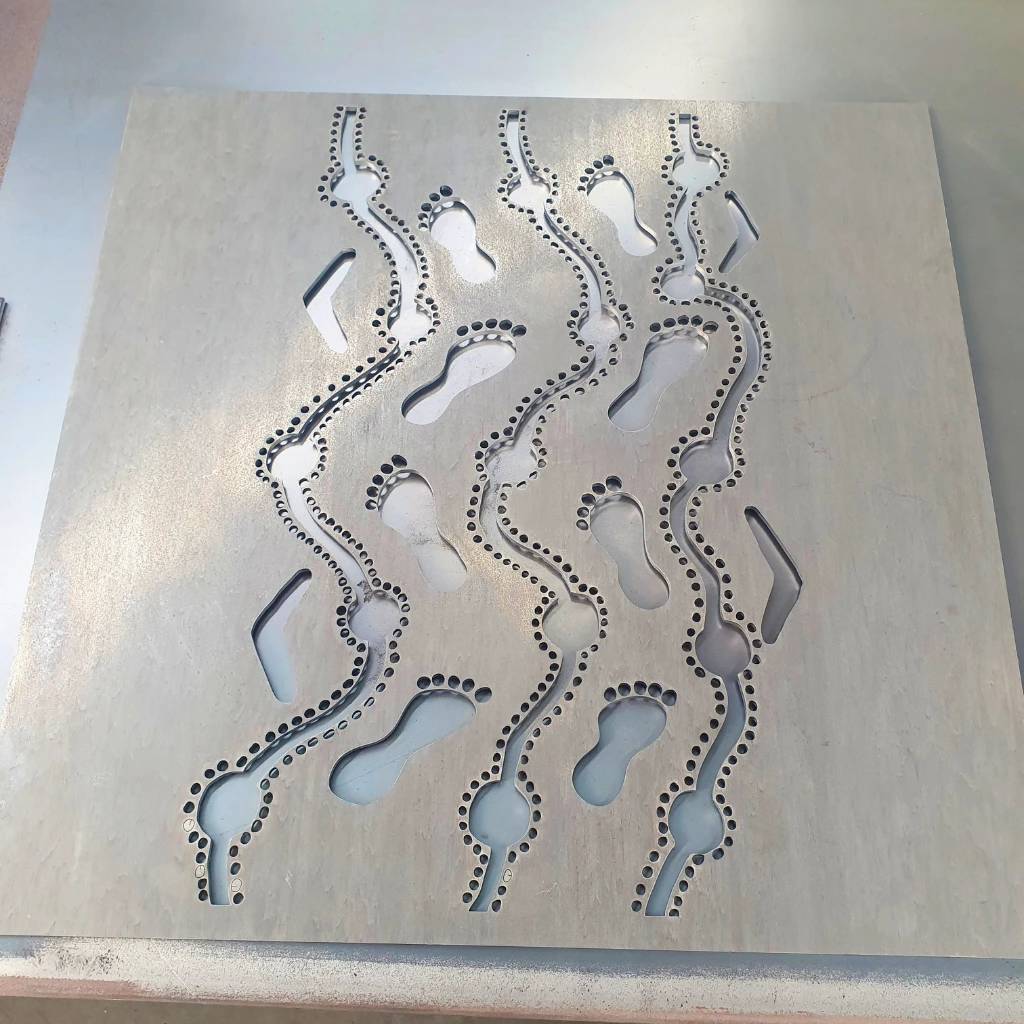
Metal Laser Cutting Services
For Melbourne Businesses
Why Laser Cutting Makes Sense
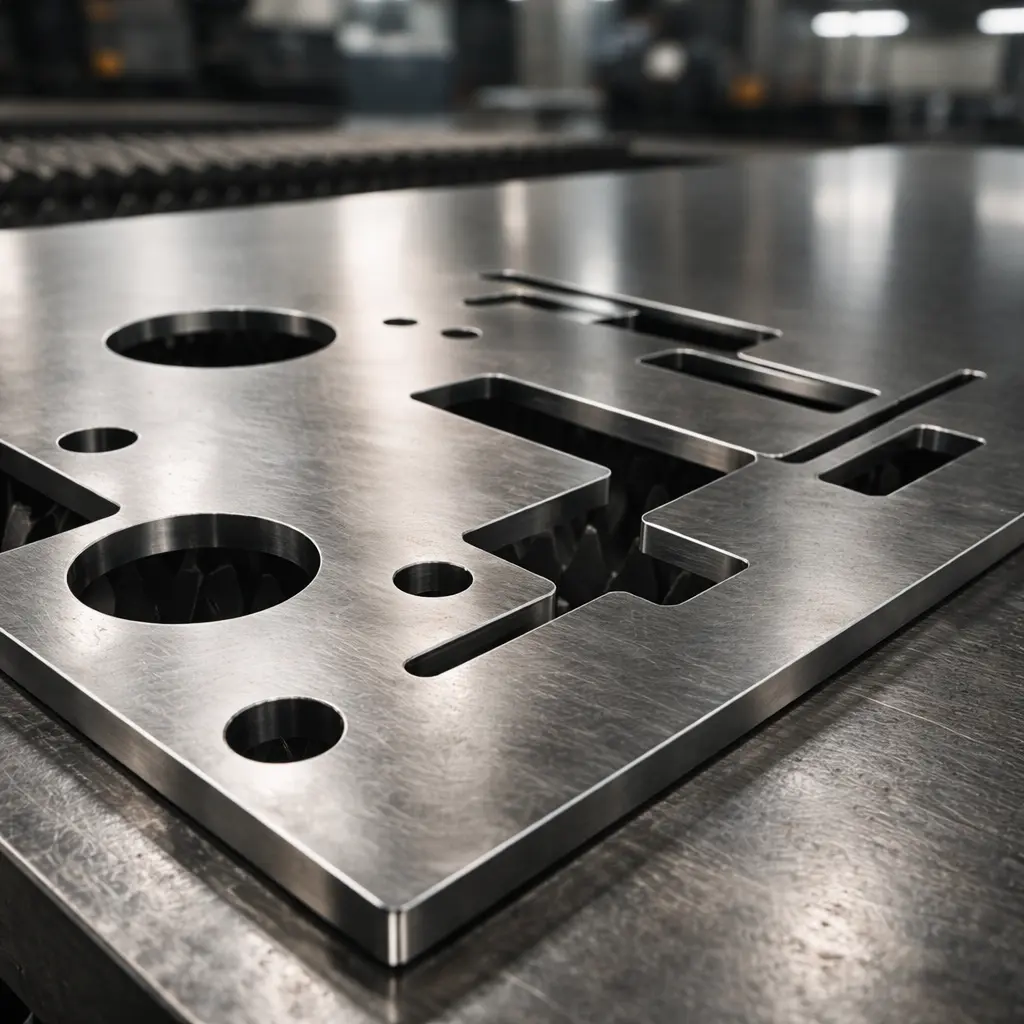
Laser cutting is popular because it solves problems that older cutting methods struggle with. It offers controlled heat input, fine detail, and predictable results.
The main advantages include clean kerf edges, accurate hole placement, and the ability to cut complex shapes without additional tooling. For components that require repeated holes, formed features, or fast turnaround on flat sheet work, turret punching is often used alongside laser cutting to suit different production requirements.
Designing With Precision in Mind
Good laser cutting lets you design parts with confidence. Slots align. Tabs fit where they should. Components assemble as the drawing intends.
We review files before cutting to catch issues that could cause problems later. Sometimes, that means adjusting a small detail so the part cuts more cleanly or performs better during fabrication. Those small checks often save time and reduce costs in the long run.
Materials We Laser Cut in Melbourne
We work with metals commonly used across Melbourne construction, manufacturing, and commercial projects.
Steel Laser Cutting
Mild steel and carbon steel are widely used for structural components, brackets, base plates, and frames. Laser cutting produces consistent edges that suit welding and mechanical fixing.
Stainless Steel Laser Cutting
Stainless steel is often chosen for its durability, hygiene, or appearance. Laser cutting produces precise shapes with clean edges, making it suitable for architectural, food-related, and commercial applications.
Aluminum Laser Cutting
Aluminum is lightweight and versatile. Laser cutting is ideal for panels, enclosures, signage components, and brackets where accuracy and presentation matter.
If you’re unsure whether a specific material or thickness is suitable for laser cutting, we’ll talk it through before anything is processed.
Metal Thickness, Geometry, and Cut Quality
Laser cutting quality isn’t just about pressing a button. Several factors affect how a part turns out.
Material type and thickness play a big role. So does part geometry. Tight corners, small holes, and long, thin sections all behave differently under heat.
We review drawings with these factors in mind. Sometimes small changes make a big difference in cut quality and stability. The goal is always the same. Parts that stay flat, cut cleanly, and match expectations.
Edge Finish and Post-Cut Processing
Laser-cut parts typically exit the machine with a clean edge. In many cases, that’s enough to move straight into fabrication or installation.
Where required, we can also arrange additional processing, including deburring, abrasive blasting, folding, drilling, tapping, welding, or full fabrication. This may include light edge finishing, forming, or preparation for joining and assembly. Many components are integrated directly into sheet metal fabrication to complete the build within the broader scope, helping projects progress efficiently without relying on multiple suppliers.
What to Provide for Laser Cutting
Clear information leads to better results.
File Formats
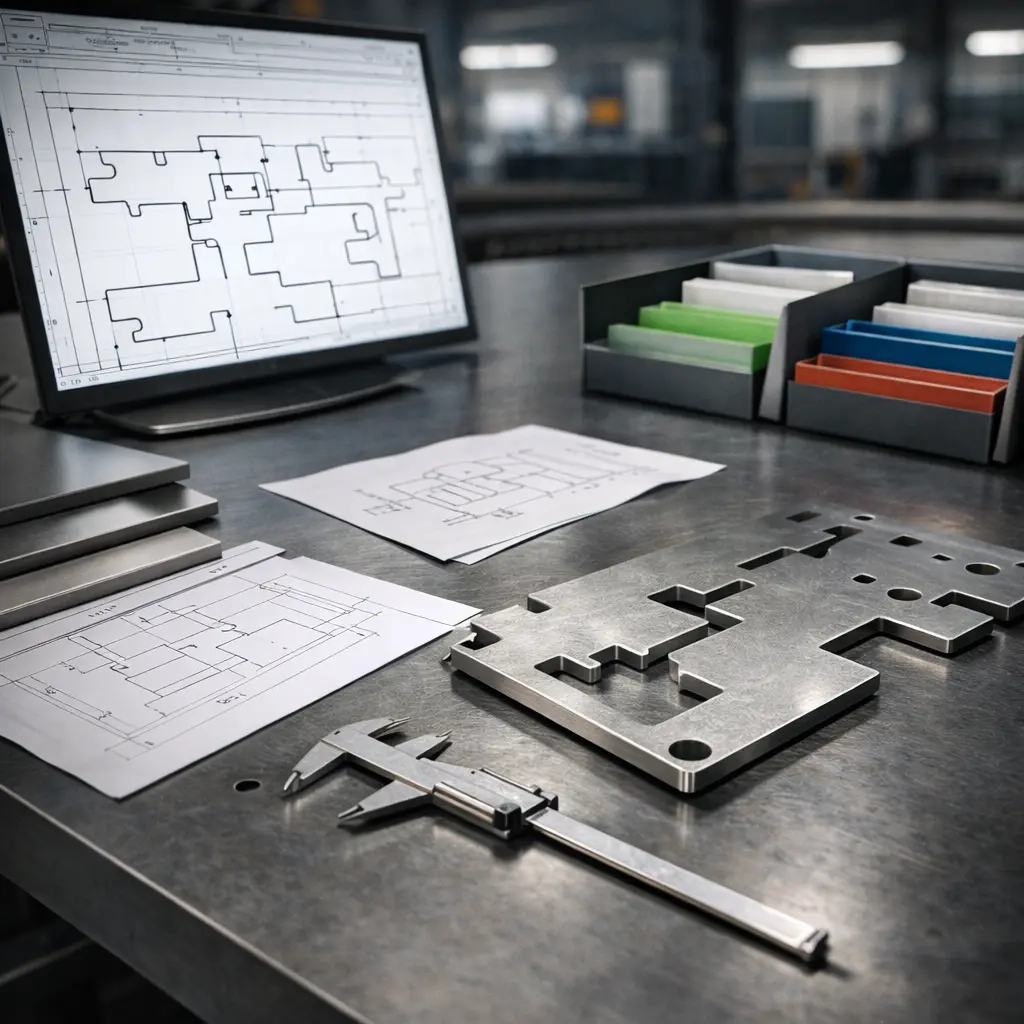
DXF files are ideal for laser cutting because they allow accurate interpretation of cut paths. We can also work with DWG files, and in some cases, STEP or IGES files. PDFs are useful as references, but usually need conversion.
Project Details That Matter
Providing material type, thickness, quantity, and any critical dimensions helps us quote accurately and plan the job properly. Delivery or pickup details also help with scheduling.
CAD Support When Needed
Not every project starts with perfect files. If you’re working from a sketch, concept, or older drawing, we can assist with 2D CAD and 3D CAD preparation so parts are ready for laser cutting.
Our Laser Cutting Process
Keeping things simple helps projects move smoothly.
Review and Confirmation
We check files, materials, and quantities before cutting starts. If something needs clarification, we contact you early.
Quotation and Lead Time
You’ll receive a clear quote with realistic turnaround times based on current workload and material availability.
Cutting and Nesting
Parts are nested efficiently to reduce waste and maintain consistent quality across the job.
Quality Checks
We visually inspect cut quality and spot-check dimensions so parts are ready for the next stage.
Pickup or Delivery
You can collect from our Melbourne facility or arrange delivery to suit your schedule.
Why You Can Trust Our Quality, Experience, and Reliability
Laser cutting only adds value when the parts fit properly and perform as expected once installed.
Practical Quality Checks
Our quality checks focus on what matters most. Edge condition, dimensional accuracy, and consistency across parts.
Experience That Guides Decisions
With 55 years of combined experience, our team understands how laser-cut parts behave once they leave the machine. That experience helps guide decisions during file review and cutting.
Clear Communication
If something doesn’t look good, we talk about it. Clear communication prevents mistakes and builds long-term working relationships.
Laser Cutting for Melbourne Industries
Over the years, we’ve supplied laser-cut metal parts to a diverse range of industries, each with unique requirements but a shared need for accuracy and consistency.
Construction and Structural
Base plates, brackets, connection plates, and site hardware are cut accurately for faster installs.
Manufacturing and Engineering
Machine guards, panels, jigs, and fixtures are produced with repeatable accuracy.
Signage and Fit-Outs
Laser-cut letters, panels, and custom features for retail and commercial spaces.
Architecture and Decorative Metalwork
Screens, feature panels, balustrade infill designs, and architectural elements with clean presentation.
Get a Quote for Laser Cutting Services in Melbourne
At Swift Metal Fabrication, our laser cutting service is built on precision, expertise, and transparent communication from start to finish.
If you’re planning a project and need metal parts cut accurately and reliably, reach out to our team. We’ll assist you in transitioning from drawings to finished parts smoothly and without unnecessary hurdles.
Frequently Asked Questions
To provide an accurate quote, we typically need your drawing files (DXF preferred), material type, thickness, quantity, and any specific requirements such as tolerances or finishing. If you don’t have a laser-ready file, we can review what you have and advise on the next steps before pricing.
Laser cutting is well-suited for high-accuracy work, but achievable tolerances depend on material type, thickness, and part geometry. In most commercial applications, laser cutting delivers consistent, repeatable accuracy suitable for fabrication, folding, welding, and mechanical assembly. We review designs up front to avoid tolerance-related issues later.
Yes. Laser cutting works well across a wide range of thicknesses, particularly for thin to medium-gauge metals where clean edges and detailed profiles are required. Thicker materials can also be cut, depending on the material and design, and we’ll confirm suitability during file review.
Laser cutting is commonly used for architectural and decorative metalwork because it produces clean edges and precise detail. This makes it suitable for feature panels, screens, signage components, and exposed metal elements where appearance matters.
Laser cutting is generally chosen for projects that need higher accuracy, cleaner edges, and finer detail. Plasma cutting is often used for thicker steel, where edge finish is less critical, while waterjet cutting suits materials sensitive to heat. The right method depends on the application, and we can advise based on your project.