
CNC Folding Services in Melbourne
Metal parts often require precise bends to ensure proper fit during fabrication and installation. Our CNC folding services in Melbourne help businesses produce accurate, folded metal components that match drawings, assemble correctly, and transition smoothly to the next stage of manufacturing.
At Swift Metal Fabrication, CNC folding is part of the practical work we do every day for builders, manufacturers, engineers, and commercial contractors across Melbourne. With 55 years of combined experience, our team folds mild steel, stainless steel, aluminium, and galvanised sheet for projects ranging from one-off parts to repeat production runs.
The goal is simple. Produce clean bends that match specifications and help your project move forward without delays or rework.
If you already have drawings or fabrication files, our team can review them and provide a clear quote for your project.
CNC Folding for Melbourne Projects That Need Accuracy and Reliable Turnarounds
Many Melbourne projects operate on tight timelines. Fabricated parts often need to arrive on site or at the next stage of production exactly when scheduled. When folded components are inaccurate or delayed, it can slow down the entire job.
CNC metal bending reduces that risk by using computer-controlled press brakes to produce consistent bends across every part. This approach improves repeatability and reduces manual variation that can occur with traditional bending methods. It also helps fabrication workflows run more smoothly when parts move into welding, coating, or final assembly.
Working with a local Melbourne fabrication workshop also makes communication easier when drawings change or deadlines shift.
What Is CNC Folding?
CNC folding is the process of bending sheet metal using a computer-controlled press brake machine. The machine applies controlled pressure to bend metal along a programmed line while maintaining consistent angles and dimensions.
This method is widely used in sheet metal fabrication because it produces reliable results across multiple parts. When parts need to be repeated in batches, CNC folding helps maintain the same bend angle and position from the first to the last piece.
When Folding Sheet Metal With CNC Is the Right Choice
CNC folding is often used when projects require bends across multiple parts or when accuracy is important for fit-up during fabrication.
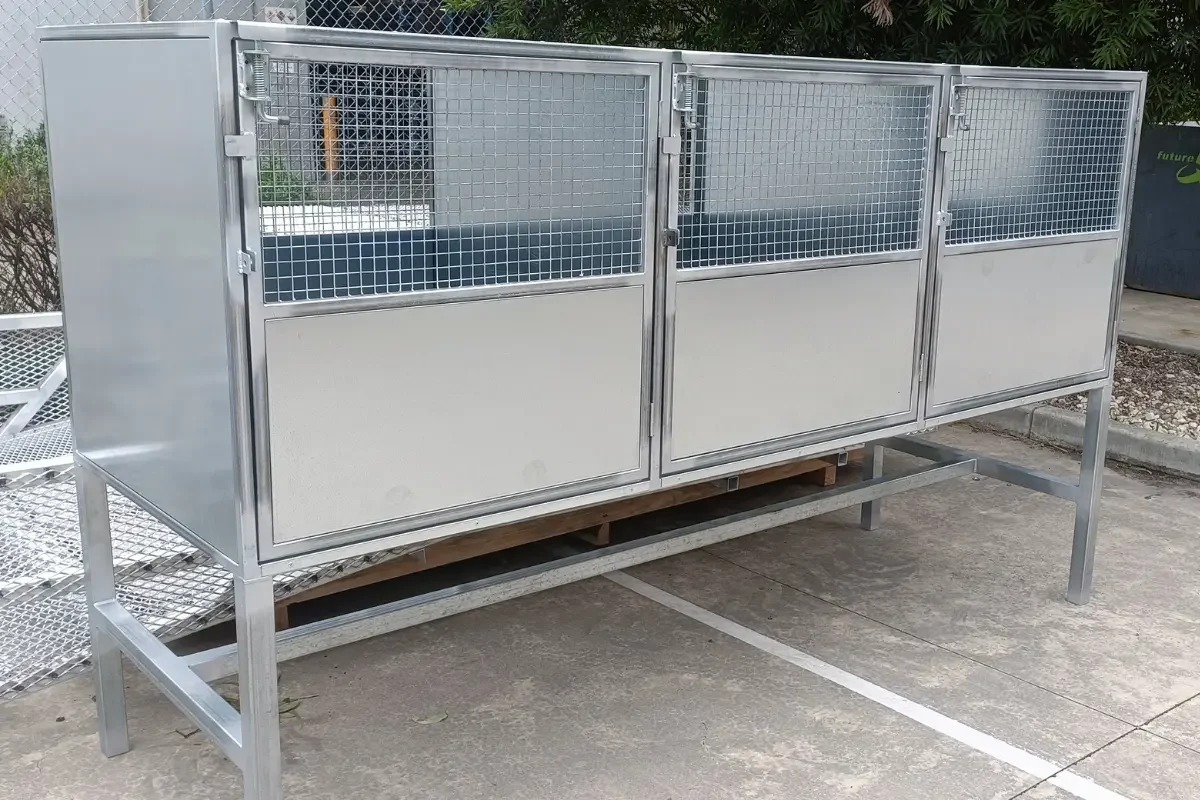
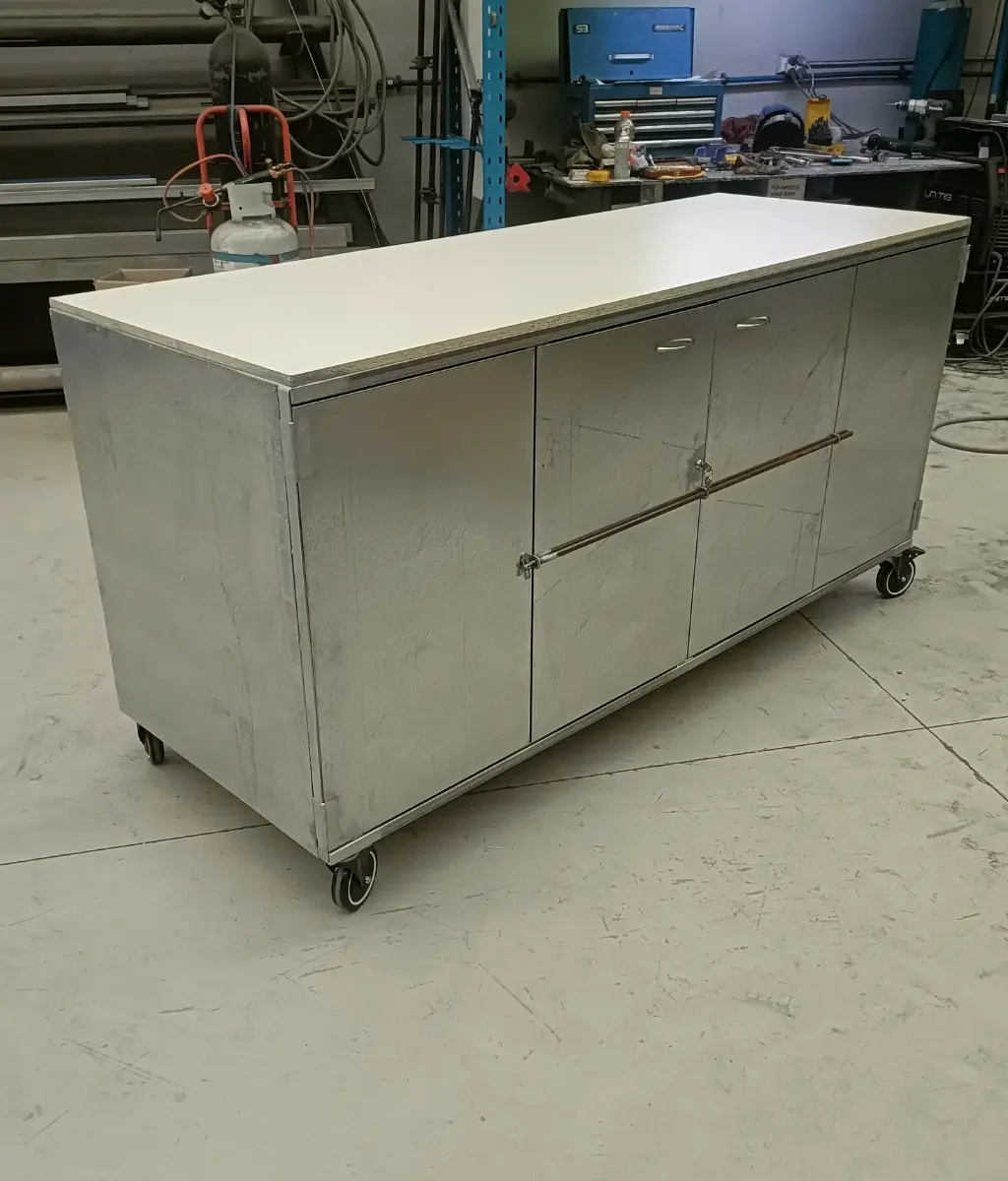
It is commonly suited for components such as folded brackets, channels, trays, electrical enclosures, equipment panels, signage structures, mounting plates, and custom metal assemblies.
The process works particularly well when parts require repeat production, tight tolerances, or bends that must align with other fabricated components. Businesses also choose CNC metal bending to reduce manual rework and maintain consistent results across production batches.
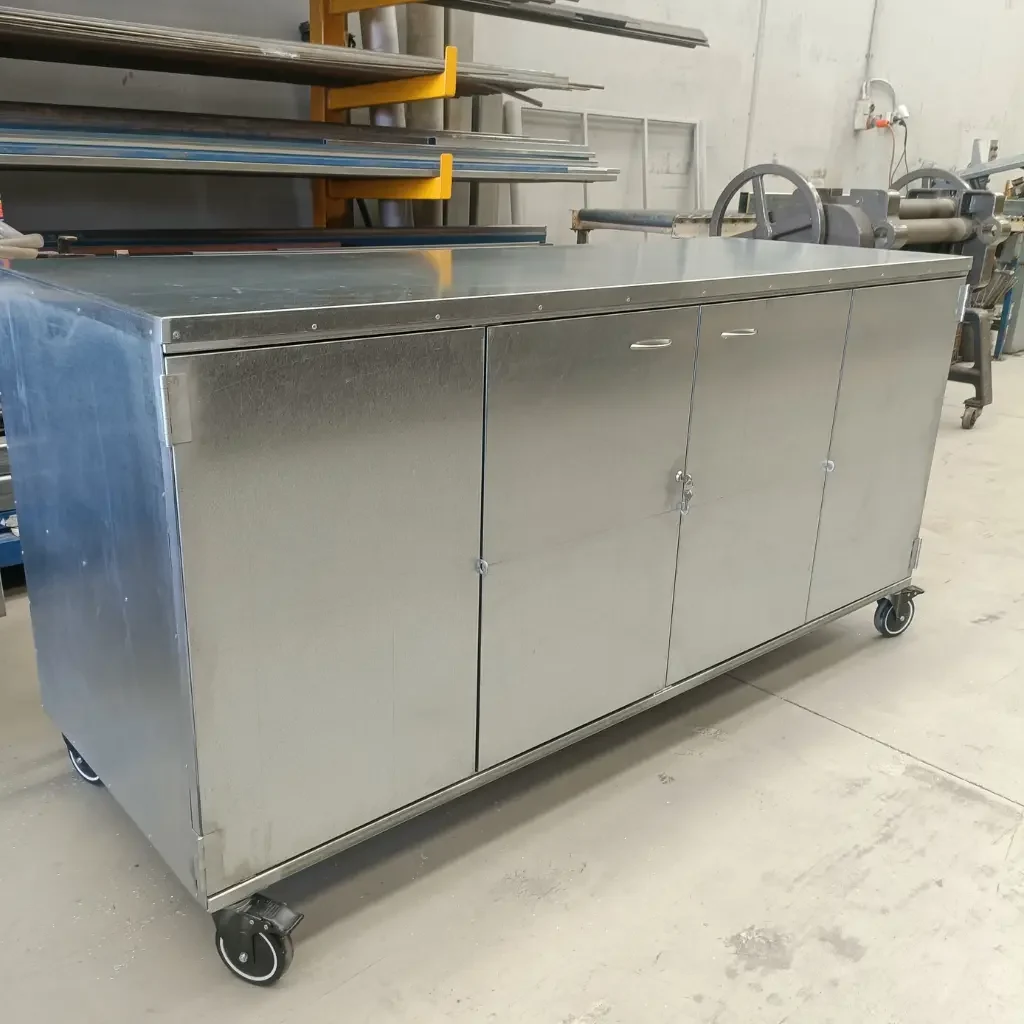
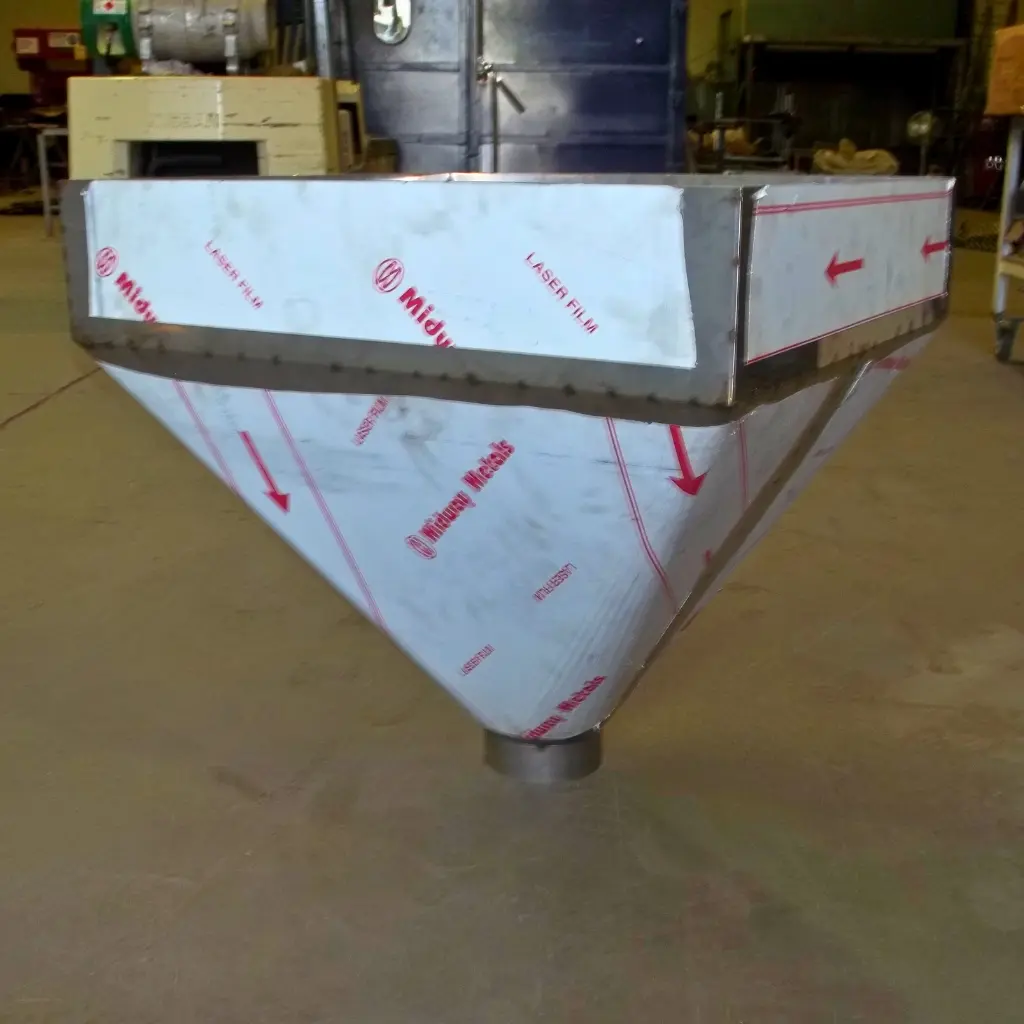
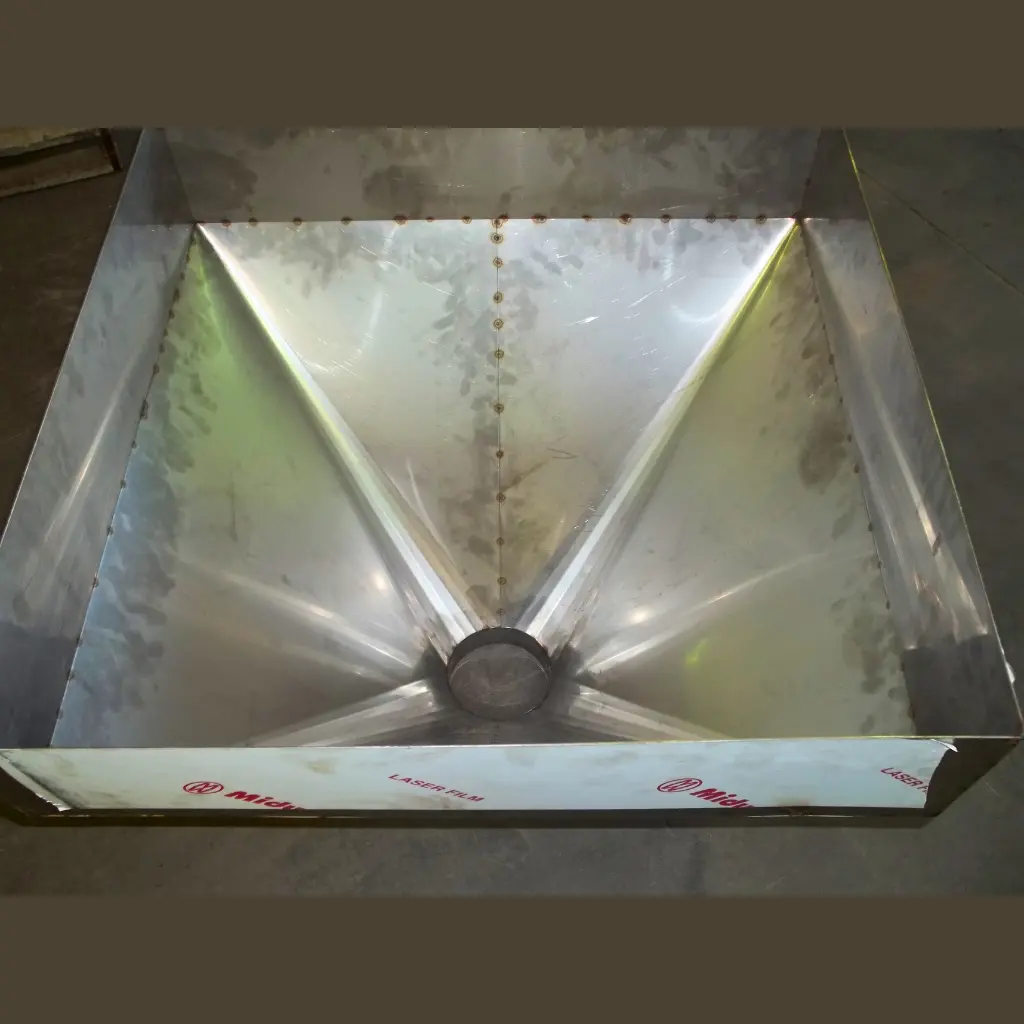
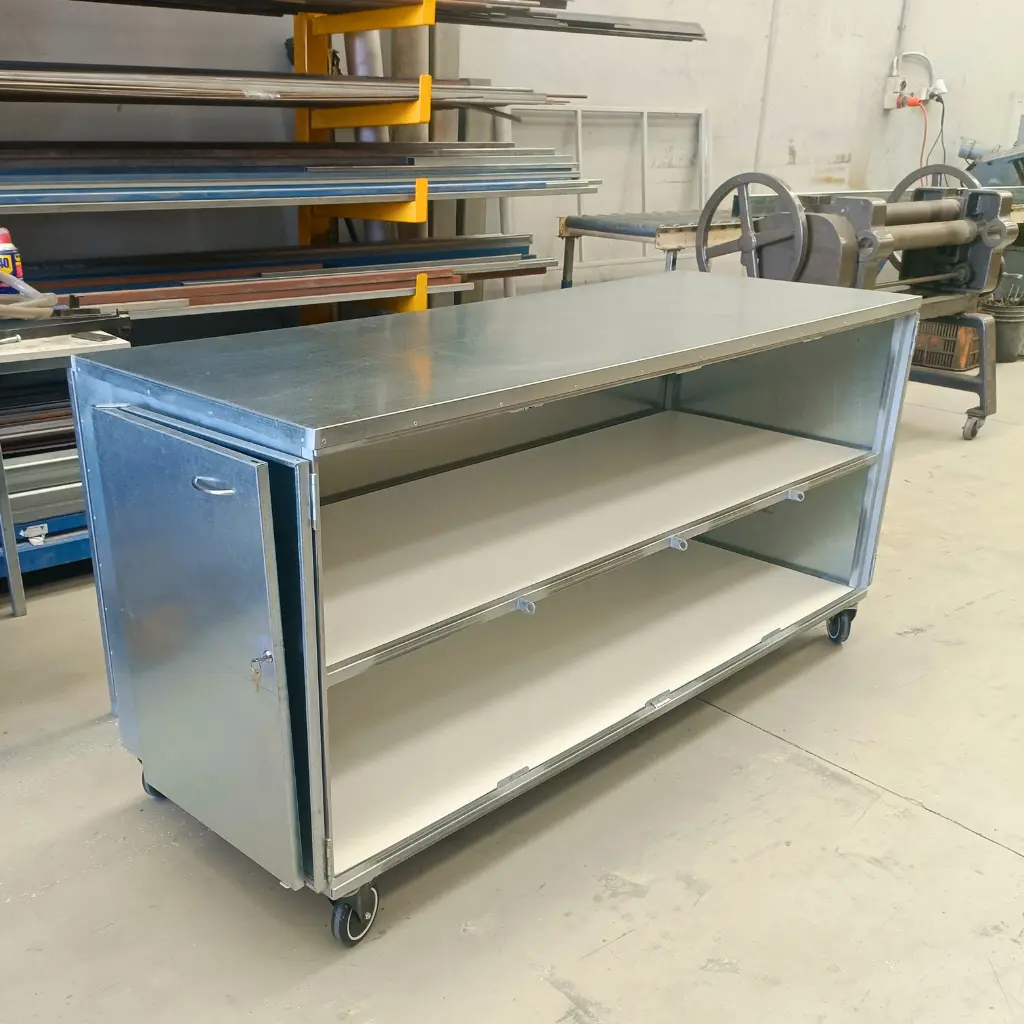
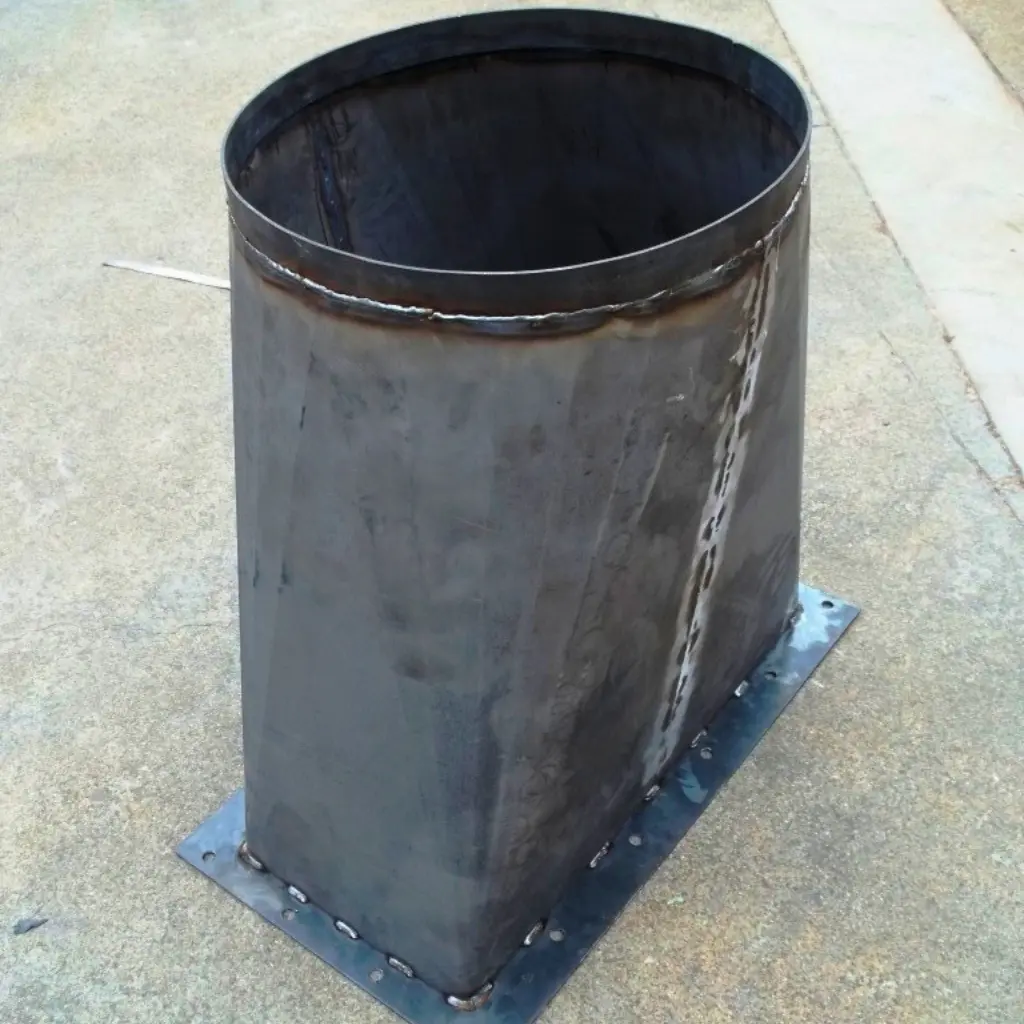
Our CNC Folding Work
Our Satisfied Customers
EXCELLENT Based on 7 reviews
 Posted on Google
 Leif MikkelsenReally good people to deal with, excellent service.Posted on Google
 Peter NiemandtAn absolute pleasure working with Ray! I brought an unusual project to him with a tight timeframe. Nothing was too much hassle. Not only did he deliver, but the result was just awesome! Highly recommend Swift!! Pete NiemandtPosted on Google
 simon floodVery knowledgeable and experienced with design assistance. I have had fabrications in steel, aluminium and stainless. Good with complex jobs, communications, on time and very good value for money.Posted on Google
 Steve RyanI have had Swift Metal produce some specialised crates for me and they have done a great job in designing and executing them. The finished items have proven to work well for me so a big thanks as Ray comes up with good ideas and delivers on time.Posted on Google
 Michael TerpeaWorking with Swift on a number of projects, and we've seen their quality, precision, and reliability are second to none. Ray and his team are highly skilled, easy to communicate with, and always delivers on time—even with tight deadlines and complex requirements. Their attention to detail and knowledge in custom fabrication work has made a real difference to our projects. Highly recommended if you’re after dependable service and outstanding craftsmanship.
Materials We Fold
Different metals behave differently when bent. Bend radius, springback, and cracking risk can vary with material and thickness. Reviewing the material early in the process helps produce better results.
Mild Steel
Mild steel is widely used in fabrication because it offers strength, flexibility, and good forming properties.
Galvanised Steel
Galvanised steel is used in projects where corrosion protection is required, particularly for outdoor or commercial environments.
Stainless Steel
Stainless steel folding is often used where corrosion resistance and durability are required. This material is common in commercial kitchens, medical equipment, architectural metalwork, and industrial applications.
Aluminium
Aluminium folding is suited to lightweight components such as enclosures, panels, and transport-related parts. It is often used when weight reduction is needed.
Each material responds differently during bending, which is why the folding method and tooling selection matter.
Why Choose US for CNC Folding in Melbourne
Choosing a fabrication partner is often about trust. Businesses want a team that can read drawings correctly, communicate clearly, and produce parts that work the first time.
Swift Metal Fabrication brings 55 years of combined industry experience across metal fabrication and processing. Our Melbourne workshop supports projects from a wide range of industries.
Clients often work with us because they prefer a local workshop that can handle multiple fabrication stages in one place, which helps projects move more efficiently and reduces the need to coordinate several suppliers.
Clear communication, realistic timelines, and consistent workmanship are part of how we approach every job.
Our CNC Folding Capabilities
A broader sheet-metal fabrication workflow supports our CNC folding operations. Many projects require more than just bending, and combining services in a single workshop can reduce delays between stages.
Our CNC folding services support a range of project types, including commercial fit-out components, equipment housings, plant components, and custom-fabricated metal products.
Our capacity includes:
- Safan CNC 5-axis 3m 70 ton brake press
- Maximum length 3.0 mtr,
- maximum thickness 5mm mild steel
Projects may involve a single custom component, small prototype batches, or ongoing production runs where parts must remain consistent across repeat orders.
Common Folding Challenges We Solve in Melbourne
Many fabrication jobs encounter the same problems. Inaccurate bends, misinterpreted drawings, or delayed parts can slow a project that is already working against the clock.
One common challenge is tight construction or manufacturing timelines. When folded metal components arrive late or require rework, it can delay installation or assembly.
Another issue involves site-specific dimensions. Some projects require folded components that match real installation conditions rather than generic measurements. Reviewing drawings carefully helps prevent problems once the parts reach the site.
Material behaviour can also affect results. Metals respond differently when bent, and incorrect bend allowances can lead to parts that do not fit properly during assembly.
A local fabricator helps reduce these risks because communication is easier and adjustments can be handled quickly when needed.
How We Work
Every CNC folding job begins with a clear review of the project.
Our team reviews drawings, material requirements, bend details, and quantities to understand the scope of work.
Material type, thickness, and bend requirements are considered before production begins. If the job involves other fabrication processes, these stages are planned at the same time.
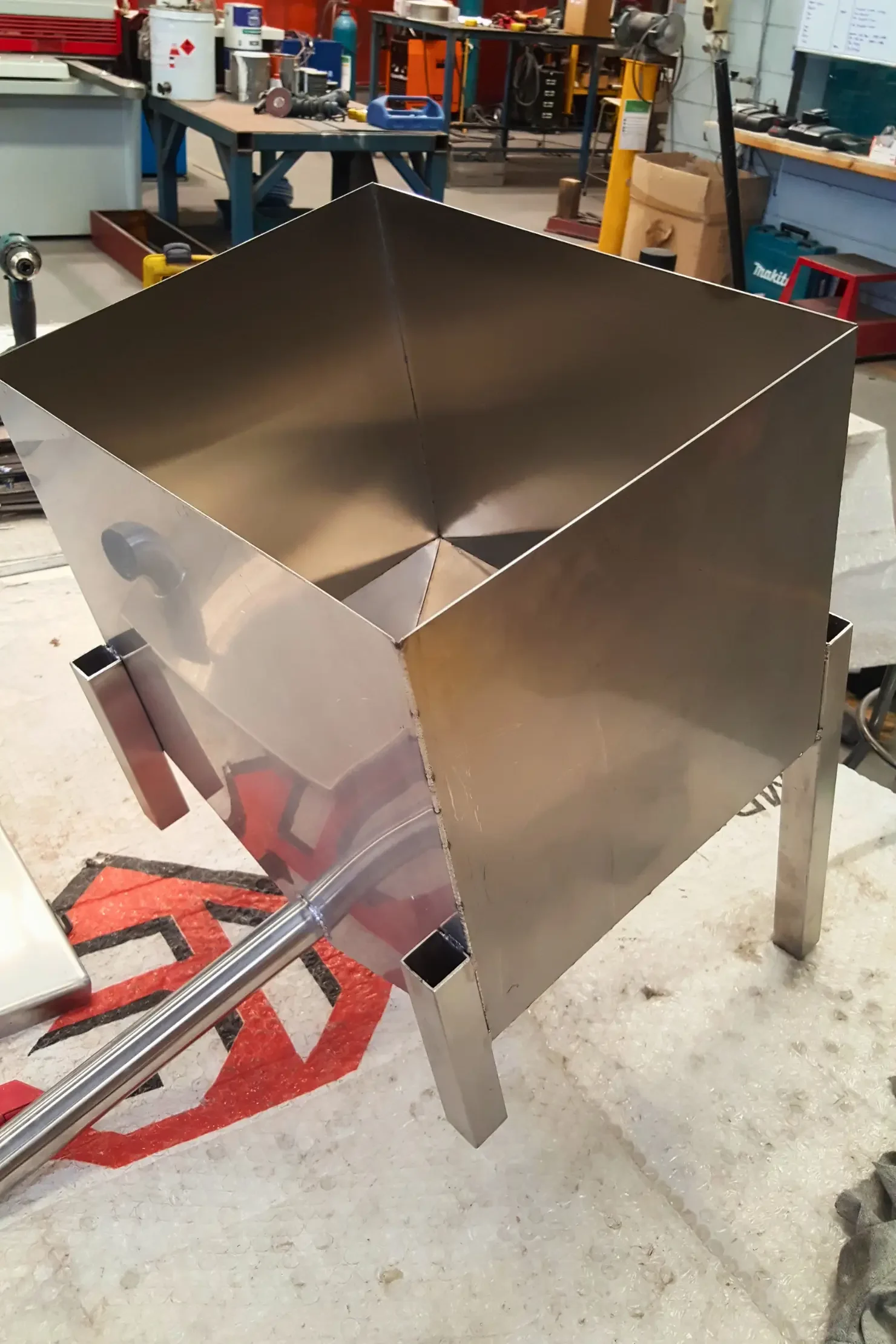
Parts are folded using CNC press brake equipment programmed to match the required angles and dimensions.
Completed components are checked for consistency and alignment with the specified measurements.
Parts are prepared for collection, delivery, or movement into the next stage of fabrication.
This step-by-step approach keeps projects organised and reduces the risk of unexpected issues during production.
Related Metal Fabrication Services We Provide
Many CNC folding projects also involve other fabrication stages. We support a range of services that work alongside bending, including:
- Laser cutting
- Turret punching
- MIG & TIG Welding
- Powder coating
- General metal fabrication.
Combining these processes into a single workshop can simplify project coordination and reduce delays between production stages.
Contact US to Request a Quote
If your project requires CNC folding services in Melbourne, our team can review your drawings and provide a clear quote.
Send through your project details, quantities, material specifications, and timeframe. We will assess the job and discuss the best approach for producing the folded metal components you need.
FAQs About CNC Folding Services
CNC folding is known for producing consistent bends because the press brake follows programmed instructions rather than manual positioning. Accuracy still depends on factors such as material thickness, bend radius, and tooling selection. For most fabrication work, folded parts are produced within tight tolerances that allow them to fit properly during welding, assembly, or installation. If your project has strict dimensional requirements, it helps to mention those early so the bending process can be set up correctly.
Yes. Many fabricated components require several bends to create channels, trays, enclosures, or structural shapes. CNC press brakes can perform multiple bends in sequence, provided the design allows enough clearance for the tooling and machine setup. If a part includes tight corners, return folds, or unusual angles, reviewing the drawing beforehand helps confirm the best bending approach.
The easiest way to quote a CNC folding job is to provide fabrication drawings or CAD files. If drawings are not available, a simple sketch with dimensions can still be helpful. Include the material type, thickness, quantity required, and any important details such as bend angles, tolerances, or surface finish requirements. If the parts will move into welding or coating later, mentioning that upfront also helps with planning.
Yes, but it depends on the material and coating. Metals with protective finishes or decorative surfaces may require careful selection of tools or protective films during bending. This helps reduce marks or scratches that can appear during the folding process. If the appearance of the finished part matters, it is best to mention this early so the correct setup can be used.
That situation can happen occasionally, especially with new designs or prototypes. Material behaviour, bend allowances, and installation conditions sometimes reveal small adjustments that improve the final result. When this happens, the drawing can be refined and the folding setup adjusted so the next batch matches the intended fit.